The Education Crisis in Nigeria
70%
of Nigerian secondary school graduates suffer from learning poverty
85%
of Nigerian youths lack 21st-century skills
60%
of fresh graduates are considered entirely unemployable by local employers
Africa has the fastest-growing youth population in the world. By 2030, Africa is projected to have about 42% of the world’s youth (15-35 years old). Whether this will be a crisis or an asset depends on us. Our youth population becomes a crisis when the youths are uneducated, unemployable, and disinterested in enterprise. It becomes an asset when our youths are future-ready and passionate about innovation and leadership.
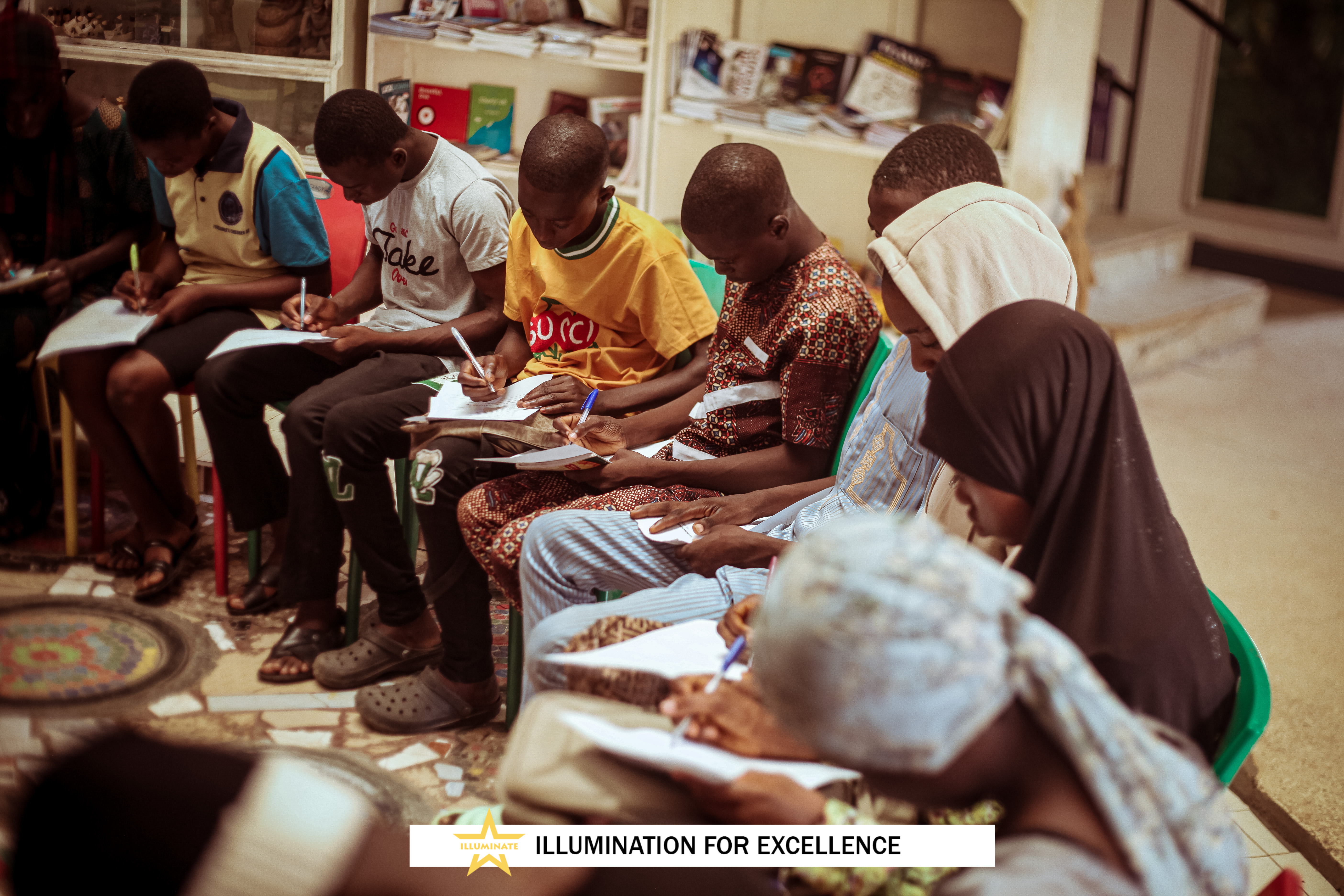
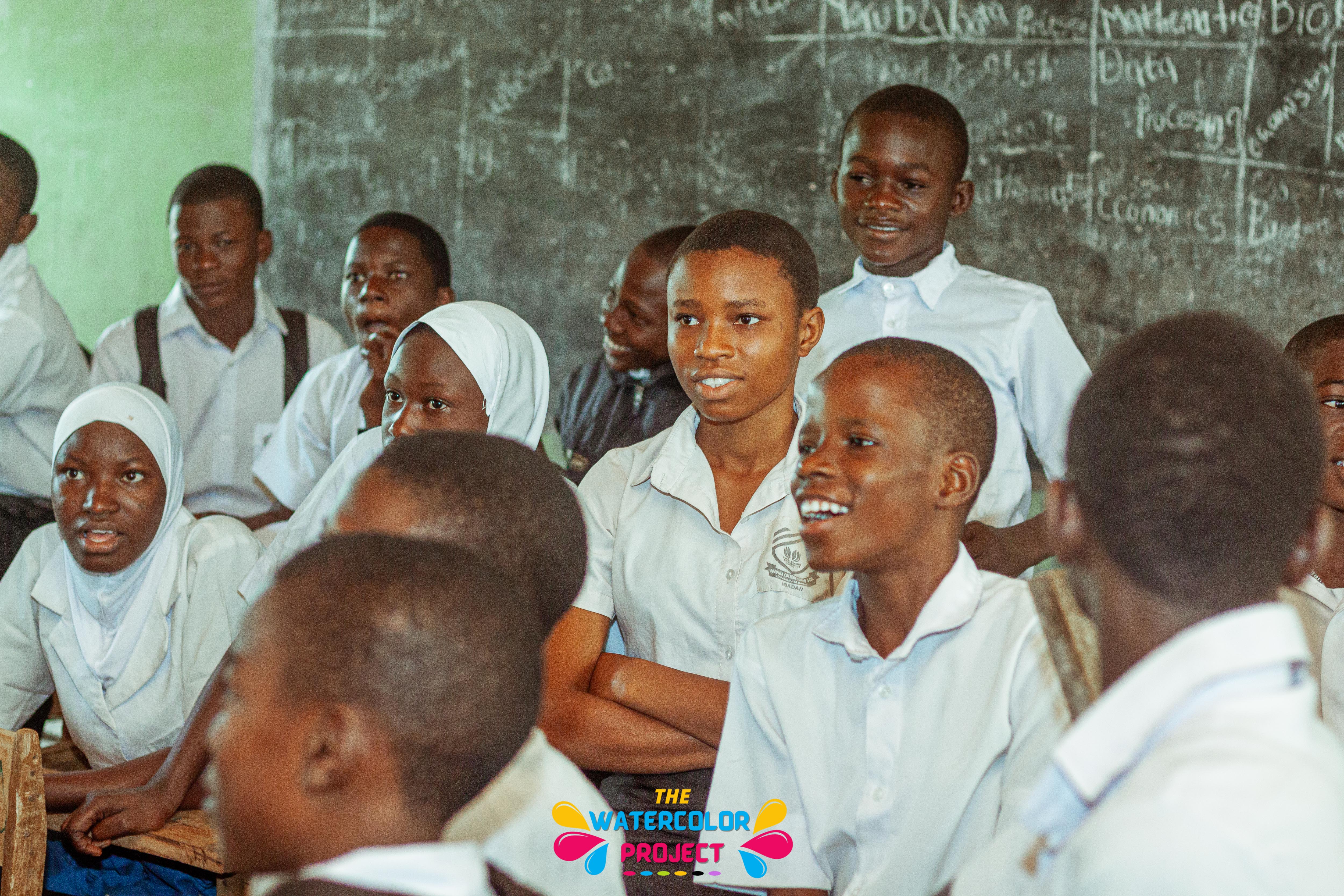
We often treat access and quality as separate issues, but they're inseparable. Access makes no difference if the quality is poor. Many students fail exams not because they lack ability, but because they cannot read and understand the questions.
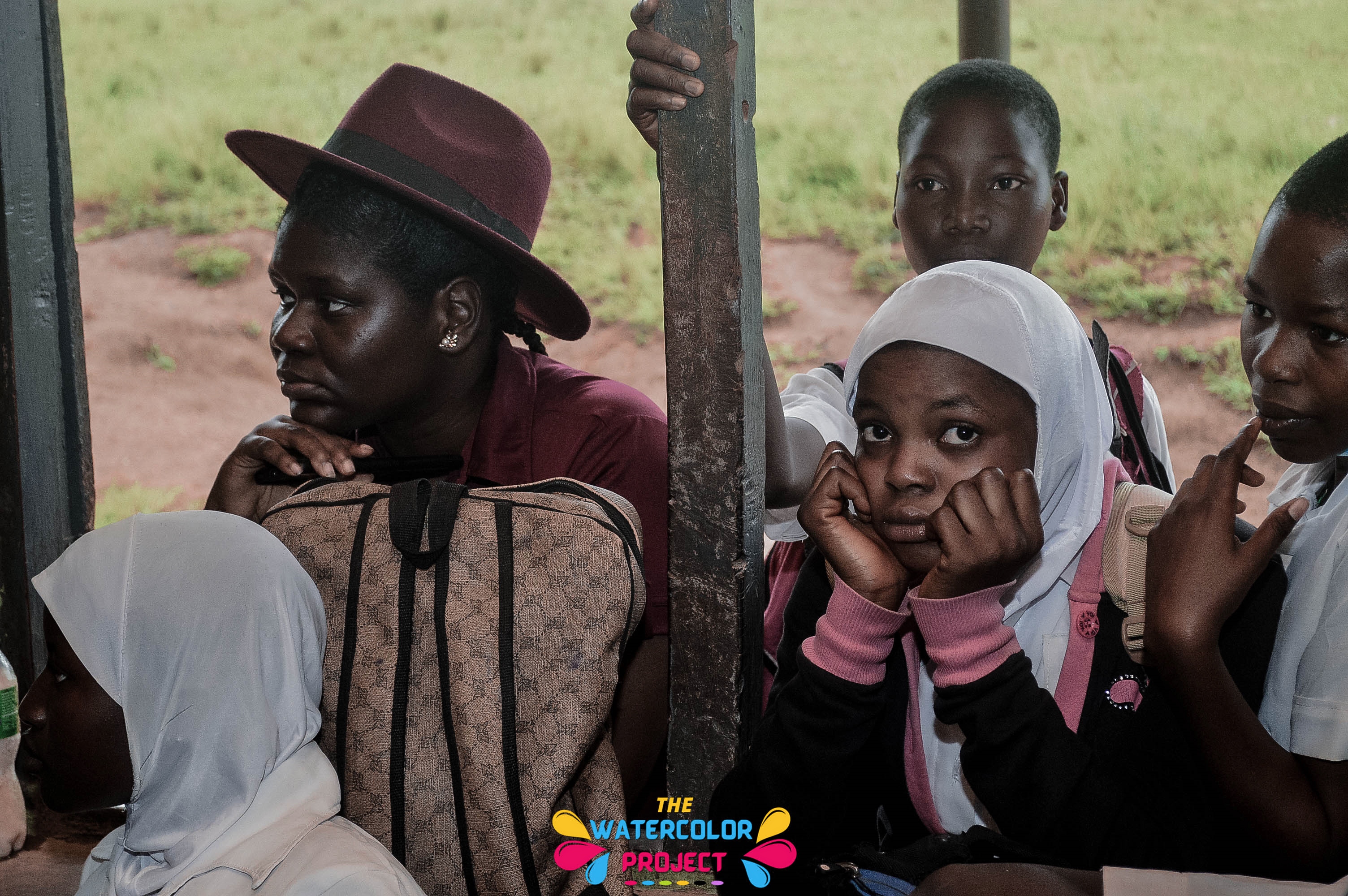
"Education isn't about wearing uniforms. It's about becoming better: thinking better, knowing better, and doing better."
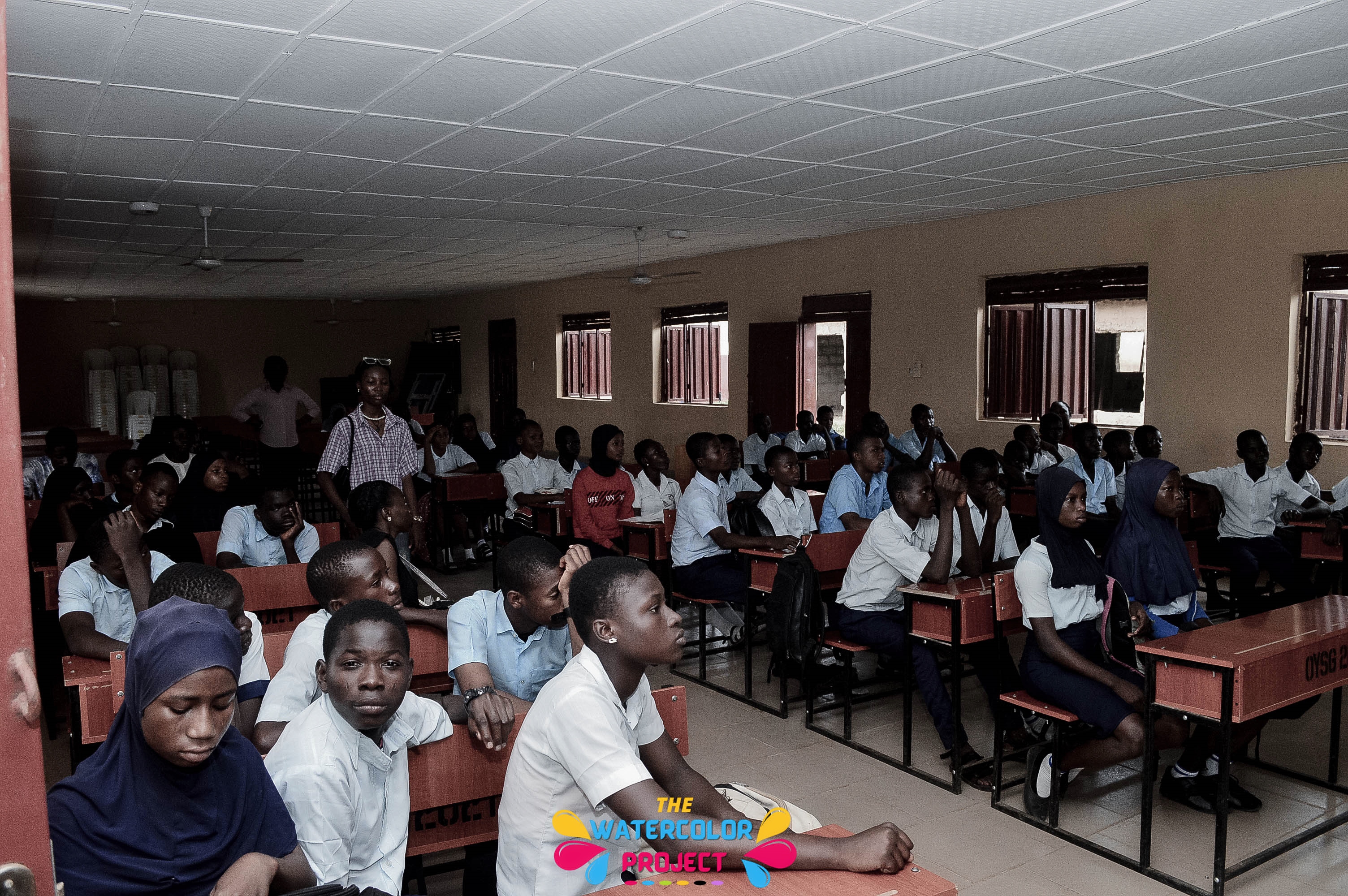
“Our work at The Luminary Foundation for Education is built on the basis of using art, especially writing, to drive change and sustainable growth in the lives of individuals and the society at large. We believe that art is a powerful tool in breaking out of the conventional jobs that we have previously engineered our children to go for. If writing wasn’t a thing, how would medical history be written? How would law books have been written? Who would have shared case studies for engineering projects?
As a volunteer at The Luminary Foundation for Education, it is part of our knightly duties to help young students understand that their creative/artistic expressions do not have to be sacrificed in order to have a career or become a notable member of society. Their creativity is a God-given ability to help humanity (see what I did there?)”
From Why Art?